Tsum Valley Trek: Complete Guide for 2026/2027
Key Takeaways
Pristine Cultural Gem: Tsum Valley offers authentic Tibetan Buddhist immersion in a remote "beyul" with ancient monasteries, polyandry traditions, and minimal tourist crowds, ideal for spiritual solitude away from Everest or Annapurna.
Moderate-Challenging Trek: Expect 5-7 hour daily hikes to 3,700m at Mu Gompa, requiring fitness, acclimatization, and prior high-altitude experience; best in spring (Mar-May) or autumn (Sep-Nov) for clear views and stable weather.
Permits & Guided Only: Needs Restricted Area Permit ($30-40+), MCAP ($22), TIMS ($15), total ~$80-100; solo trekking illegal, so book via Kathmandu agencies for guides ($25-30/day) ensuring safety and cultural insights.
Budget & Prep Essentials: 10-12 day trek costs $900-2,000 (group vs. private); pack four-season sleeping bag, purification gear, insurance with heli-evac; teahouses serve dal bhat, with basic facilities and stunning Ganesh Himal vistas.
Nestled in the northern Gorkha district of Nepal, the Tsum Valley trek offers one of the Himalayas' most pristine cultural experiences. This sacred valley, opened to tourists only in 2008, remains remarkably untouched by modern development. When you trek Tsum Valley, you're entering a "beyul" or hidden valley blessed by Guru Rinpoche himself.
The Tsum Valley trek Nepal takes you through ancient Tibetan Buddhist culture where centuries-old traditions survive intact. Prayer wheels line the trails, colorful prayer flags flutter in mountain winds, and locals still practice polyandry. The valley's remoteness has preserved a way of life largely unchanged since medieval times, making this trek as much a cultural pilgrimage as a mountain adventure.
Surrounded by the Ganesh Himal, Sringi Himal, and Boudha ranges, Tsum Valley delivers spectacular mountain scenery combined with profound cultural immersion. The Tibetan influence is stronger here than anywhere else in Nepal, you'll hear Tibetan dialects, witness ancient rituals, and experience genuine Himalayan hospitality.
For trekkers seeking authentic experiences away from crowded circuits like Everest or Annapurna, this hidden gem offers solitude, spirituality, and stunning landscapes that few foreign visitors have witnessed.

Trek Difficulty & What to Expect
The Tsum Valley trek rates are moderate to challenging. While the trail doesn't require technical climbing skills, you'll need good physical fitness and prior trekking experience at altitude.
Expect to walk 5-7 hours daily on sometimes steep, rocky paths. The highest point, Mu Gompa, sits at 3,700 meters, with several passes exceeding 3,500 meters. The cumulative elevation gain over the trek totals approximately 4,000 meters, demanding cardiovascular endurance.
Altitude acclimatization is crucial; many trekkers experience mild symptoms like headaches or breathlessness if they ascend too quickly. The trail alternates between gradual ascents and steep climbs, with suspension bridges crossing wild rivers and narrow paths carved into cliff faces.
The remote nature means basic facilities, limited communication, and no rescue infrastructure. Weather can change rapidly, particularly at higher elevations. Trails may be blocked by landslides during monsoon or snow in winter.
Previous high-altitude trekking experience is highly recommended. If you've successfully completed treks like Annapurna Base Camp or Langtang Valley, you're well-prepared for this tsum valley trek guide adventure.
Best Time to Trek Tsum Valley
Spring (March-May) offers the most popular trekking window for the trek Tsum Valley route. Rhododendron forests explode in vibrant pink and red blooms, temperatures remain comfortable (10-20°C at lower elevations, 0-10°C higher up), and skies are generally clear. March can still see occasional snow at high passes, while May brings warmer weather but afternoon clouds. Expect more trekkers on trails during peak April season.
Autumn (September-November) provides the clearest mountain views and most stable weather conditions. Post-monsoon air creates crisp visibility perfect for photography, you'll get stunning views of Ganesh Himal and Himalchuli. October is ideal with comfortable temperatures, dry trails, and cultural festivals like Dashain and Tihar adding color to villages. This season sees the highest trekker numbers but remains far less crowded than mainstream routes.
Monsoon (June-August) brings heavy rainfall, leeches, and trail hazards. The valley receives less rain than southern Nepal due to its rain-shadow location, but landslides remain a significant risk. Trails become slippery and views are often obscured by clouds. Not recommended unless you're experienced with monsoon trekking and maintain flexible schedules.
Winter (December-February) offers complete solitude and crystal-clear mountain views but brings extreme cold. Daytime temperatures hover around 5-10°C at lower elevations but drop to -10°C or lower at Mu Gompa. High passes may be blocked by snow, and many teahouses close or operate with minimal services. Only attempt with proper cold-weather gear and experienced local guides who know current trail conditions.
Permits Required & Costs
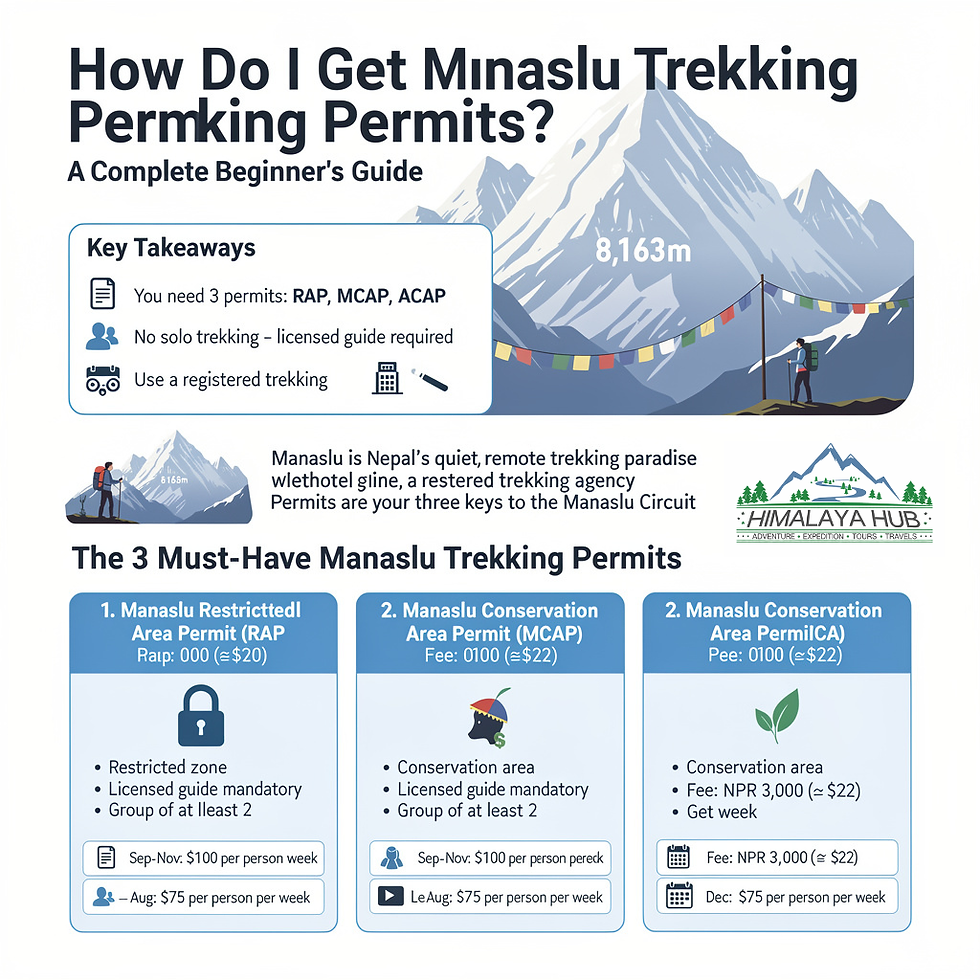
The Tsum Valley trek Nepal requires three separate permits, making it one of Nepal's controlled trekking areas.
Special Restricted Area Permit (RAP) is mandatory as Tsum Valley remains a restricted region. Costs for 2025/2026: $40 USD for the first 7 days, then $7 per additional day during peak season (September-November); $30 USD for 7 days, then $5 daily during off-season (December-August). This permit requires you to trek with a registered guide from a licensed agency, independent solo trekking isn't permitted by law.
Manaslu Conservation Area Permit (MCAP) costs NPR 3,000 (approximately $22 USD) for foreign nationals. This supports conservation efforts in the region.
TIMS Card (Trekkers' Information Management System) costs NPR 2,000 (approximately $15 USD) and helps authorities track trekker movements for safety.
All permits must be arranged through registered trekking agencies in Kathmandu, you cannot obtain them independently. Processing typically takes 1-2 business days. Bring passport-sized photos (4 copies) and passport photocopies. For 2025/2026, expect potential fee increases of 5-10%, always confirm current rates with your trekking agency before booking.
Your agency will handle all paperwork, but budget approximately $80-100 USD total for permits.
Itinerary Options
Standard Tsum Valley trek itineraries typically run 12-15 days from Kathmandu, but extended 17-day versions incorporate extra acclimatization, rest days, and cultural exploration for better altitude adjustment and immersion, as outlined by Himalaya Hub.
This version expands the route with additional buffer days, side trips to sites like Rachen Gompa and Depot Gompa, and flexibility for weather or fatigue.
Extended 17-Day Itinerary
Day 1: Drive Kathmandu to Soti Khola (7-8 hours, ~140km via Prithvi Highway). Pass terraced fields and riverside villages to reach the trek start. Overnight in Soti Khola.
Day 2: Soti Khola to Machha Khola (6-7 hours). Follow Budhi Gandaki River through subtropical forests and suspension bridges. Overnight in Machha Khola. [himalayan-masters]
Day 3: Machha Khola to Jagat (6-7 hours). Traverse Gurung villages with emerging Tibetan Buddhist elements; permit check nearby. Overnight in Jagat.
Day 4: Jagat to Philim (5-6 hours). Enter a restricted area at Philim checkpoint, amid mani walls and chortens. Overnight in Philim for acclimatization.
Day 5: Philim to Lokpa (6-7 hours). Official Tsum Valley entry; climb through rhododendron forests with Ganesh Himal views. Overnight in Lokpa.
Day 6: Lokpa to Chumling (3-4 hours). Short acclimatization day; visit local monasteries and enjoy valley panoramas. Overnight in Chumling.
Day 7: Chumling to Chhokang Paro (5-6 hours). Ascend past traditional Tsumbas villages; spot wildlife like blue sheep. Overnight in Chhokang Paro.
Day 8: Rest/Explore Chhokang Paro. Acclimatize; optional hikes to nearby caves or prayer wheels. Overnight in Chhokang Paro.
Day 9: Chhokang Paro to Nile (4-5 hours). Continue up-valley along Siyar Khola; reach Tibetan border proximity. Overnight in the Nile.
Day 10: Nile to Mu Gompa (2-3 hours). Visit the highest settlement, ancient Mu Gompa monastery, and Milarepa's cave. Afternoon free. Overnight in Mu Gompa.
Day 11: Explore the Mu Gompa area. Side trip to Depot Gompa or high pastures; stunning views of Ganesh Himal. Overnight in Mu Gompa.
Day 12: Mu Gompa to Nile/Chhokang Paro (4-5 hours). Descend to base; visit en route sites. Overnight in Chhokang Paro.
Day 13: Chhokang Paro to Rachen Gompa side trip (5-6 hours round). Explore nunnery and Pangdun Gompa; return to Chumling. Overnight in Chumling.
Day 14: Chumling to Philim (4-5 hours). Steady descent through forests; cultural interactions. Overnight in Philim.
Day 15: Philim to Jagat (5-6 hours). Retrace to main Manaslu trail. Overnight in Jagat.
Day 16: Jagat to Soti Khola via Machha Khola (10-11 hours total trek, then drive option). Long descent; drive back toward Kathmandu if feasible. Overnight en route or Soti.
Day 17: Drive Soti Khola to Kathmandu (7-8 hours). Buffer for delays; arrival with rest in capital.
his circular route allows you to experience both branches of the valley. Consider adding 1-2 extra acclimatization days if you're sensitive to altitude or want deeper cultural immersion.
Cost Breakdown & Budgeting
Organized Group Trek: $800-1,200 USD per person for 10-12 days. This includes all permits, registered guide and porter services, teahouse accommodation, three meals daily, and transportation between Kathmandu and Soti Khola. Prices vary based on group size (larger groups pay less per person), season (peak season costs more), and agency service levels.
Private Guided Trek: $1,200-1,800 USD for personalized itineraries, flexible schedules, and exclusive guide services. Better for couples or small groups wanting customized experiences.
Budget Breakdown for Independent Travelers (you still need a guide): Daily costs average $50-70 including mandatory guide wages ($25-30 daily), basic teahouse accommodation ($5-10 per night), three meals ($20-25 daily), and miscellaneous expenses like snacks, drinks, and charging devices.
Additional Expenses to Consider:
Kathmandu accommodation before/after trek: $20-50 per night
Staff tips (customary): 10-15% of total trek cost
Comprehensive travel insurance: $50-100
Emergency evacuation fund: $200-300
Personal gear rental in Kathmandu: $50-150
Hot showers and device charging on trek: $20-40 total
Budget-conscious trekkers can complete the trek Tsum Valley for around $900-1,000 total, while those seeking comfort should plan $1,500-2,000 including all expenses.
What to Pack
Clothing Essentials:
Moisture-wicking base layers (top and bottom)
Insulating mid-layers (fleece or down)
Waterproof and windproof jacket and pants
Warm down jacket (essential for evenings)
Trekking pants (2 pairs, quick-dry)
Thermal underwear for higher elevations
Sun hat and warm beanie
Gloves (liner gloves plus warm mittens)
Quality trekking boots (broken in) and camp shoes
Technical Gear:
Four-season sleeping bag (-10°C rated minimum, -20°C for winter)
Trekking poles (crucial for steep descents)
Headlamp with extra batteries
Water bottles or hydration system
Water purification tablets or filter
Sunglasses (UV protection)
Sunscreen (SPF 50+) and lip balm
Medical and Safety:
Comprehensive first-aid kit
Altitude sickness medication (Diamox if prescribed)
Personal medications and prescriptions
Blister treatment supplies
Hand sanitizer and wet wipes
Miscellaneous:
Power bank (10,000+ mAh)
Camera and extra batteries
Passport and permit copies
Cash (USD and Nepali Rupees)
Lightweight daypack
Seasonal Variations: Spring and autumn require medium-weight gear. Winter demands expedition-grade sleeping bags, heavier insulation, and potentially crampons for icy sections. Pack light, porters carry a maximum 15 kg (33 lbs). Most gear is available for rent in Kathmandu's Thamel district if you're missing essentials.
Accommodation & Food
Teahouses along the Tsum Valley trek route provide basic but adequate facilities. Expect simple twin-bedded rooms with foam mattresses, thin walls, and shared bathroom facilities. Rooms are unheated, your sleeping bag is essential for warmth. Higher altitude lodges are more basic with squat toilets and no running water.
Hot showers cost extra ($2-5 when available) and aren't guaranteed at higher elevations. Electricity is limited, often solar-powered with specific charging hours. Bring power banks and expect to pay $2-3 per device charge.
The dining experience centers around communal meals in heated dining rooms with wood stoves, perfect for socializing with other trekkers and locals.
Food Options:
Dal bhat (rice, lentils, vegetables, pickle) - unlimited refills, trekker staple
Noodle soups (thukpa, chowmein)
Tibetan bread with jam, honey, or cheese
Momos (dumplings, vegetable or potato)
Porridge and pancakes for breakfast
Simple pasta and rice dishes
Food is freshly prepared, nutritious, and surprisingly tasty given the remote location. Expect to pay $5-8 per meal at higher elevations where supplies are expensive to transport.
Tea, coffee, and hot lemon are available everywhere. Bottled water becomes expensive and environmentally problematic at higher elevations, use purification tablets or filters instead. Expect to pay $2-4 for bottled water above 3,000 meters.
The menu variety decreases with altitude as supplies become limited. Most teahouses stock chocolate bars, biscuits, and instant noodles for snacks.
Cultural Highlights & Monasteries
The trek Tsum Valley is as much a spiritual journey as a physical one, with numerous monasteries and cultural sites.
Mu Gompa sits at the valley's head (3,700m), offering breathtaking panoramas of Ganesh Himal and housing ancient Buddhist artifacts, thankas, and statues. The monastery's morning prayers provide mesmerizing insights into Tibetan Buddhism. You'll witness monks performing rituals unchanged for centuries.
Rachen Gompa, a nunnery near Chhokang Paro, welcomes visitors to observe daily rituals and interact with the nuns who maintain this remote spiritual center. The warmth and hospitality of the nuns create memorable cultural exchanges.
Milarepa's Cave near Mu Gompa is where the famous 11th-century Tibetan yogi meditated. Pilgrims visit this sacred site to pray and meditate in the footsteps of the master. The cave features ancient paintings and offerings.
Chhokang Paro and Nile villages showcase traditional stone houses with flat roofs, prayer wheels, and intricately carved wooden windows. Observe daily life relatively unchanged by modernity, farmers working terraced fields with wooden plows, women spinning prayer wheels while chatting, children playing traditional games.
Gumba Lungdang near Chumling features impressive architecture and spiritual significance for valley residents.
Cultural Etiquette:
Always walk clockwise around stupas, chortens, and mani walls
Ask permission before photographing people, especially during religious ceremonies
Dress modestly (cover shoulders and knees)
Remove shoes before entering monasteries
Don't point feet at religious objects or people
Avoid public displays of affection
Accept offerings with both hands or right hand supported by left
Don't disturb prayer ceremonies
The Tsum people practice Buddhism mixed with Bon traditions. Many households still practice polyandry (one woman married to multiple brothers). Show respect for these traditions even if they seem unusual, you're a guest in their sacred homeland.
Photography is generally welcomed, but always ask permission first. Small donations at monasteries (NPR 100-500) support maintenance and are appreciated.
Safety & Health Considerations
Altitude Sickness Prevention: Acute Mountain Sickness (AMS) is the primary health concern on any Tsum Valley trek guide route. Symptoms include headache, nausea, dizziness, fatigue, and loss of appetite. Prevent AMS by ascending gradually (no more than 500m elevation gain per day above 3,000m), staying well-hydrated (3-4 liters daily), avoiding alcohol, and listening to your body.
Carry Diamox (acetazolamide) if prescribed by your doctor, it aids acclimatization but doesn't replace proper pacing. If symptoms worsen despite rest, descend immediately. Severe AMS can progress to life-threatening HAPE (high altitude pulmonary edema) or HACE (high altitude cerebral edema).
Medical Facilities: Beyond basic first aid, medical facilities are non-existent in Tsum Valley. The nearest hospital is in Gorkha, requiring a full day's trek plus several hours' drive. For serious emergencies, helicopter evacuation to Kathmandu is necessary.
Travel Insurance Requirements: Comprehensive travel insurance with helicopter evacuation coverage is mandatory. Verify your policy covers:
Trekking at altitudes above 4,000 meters
Helicopter rescue and evacuation (minimum $100,000 coverage)
Medical treatment in Nepal
Trip cancellation and interruption
Lost or stolen belongings
Most standard policies exclude high-altitude trekking, purchase specialized adventure travel insurance.
Water and Food Safety: Purify all drinking water using tablets, filters, or boiled water. Water-borne illnesses like giardia are common. Avoid raw vegetables and unpeeled fruits. Stick to freshly cooked hot meals.
Comprehensive First-Aid Kit Should Include:
Altitude sickness medication
Antibiotics for respiratory and gastrointestinal infections
Anti-diarrheal medication (Imodium)
Rehydration salts
Pain relievers (ibuprofen, paracetamol)
Antihistamines for allergic reactions
Bandages, antiseptic, and blister treatment
Personal prescription medications
Additional Safety Tips:
Inform someone of your itinerary
Carry whistle for emergencies
Don't trek alone even with a guide, groups are safer
Check weather forecasts regularly
Stay on marked trails
Bring backup cash (no ATMs in Tsum Valley)
Solo Trekking vs Guided Tours
Independent solo trekking is not permitted in Tsum Valley by Nepalese law. The restricted area permit requires trekkers to be accompanied by a registered guide from a licensed trekking agency. This regulation protects both trekkers and the local environment while ensuring tourism benefits reach communities.
Advantages of Guided Treks:
Cultural Interpretation: Guides explain traditions, translate conversations, and provide context for what you're witnessing
Navigation Expertise: Trails aren't always well-marked; local guides know the way
Emergency Support: Guides recognize altitude sickness symptoms, provide first aid, and arrange evacuations
Logistical Ease: Guides handle accommodation booking, meal ordering, and permit checks
Local Insights: Discover hidden monasteries, best photography spots, and authentic cultural experiences
Community Support: Your payment supports local families, most guides are from the region
Guide Costs: Registered guides charge $25-30 USD daily plus meals and accommodation (provided by teahouses). Porter services cost an additional $18-22 daily if you want someone to carry your main pack.
Choosing the Right Guide: Book through reputable agencies with good reviews. Ensure guides are government-registered with proper training and insurance. Many agencies offer porter-guides who both carry loads and provide guiding services at combined rates.
For the Tsum Valley trek, embrace the guided requirement. The cultural insights, safety, and deeper understanding guides transform the journey from simple hiking into genuine cultural immersion. Many trekkers develop lasting friendships with their guides who become ambassadors for understanding between cultures.
Photos and What You'll See
The trek Tsum Valley delivers photographic opportunities at every turn:
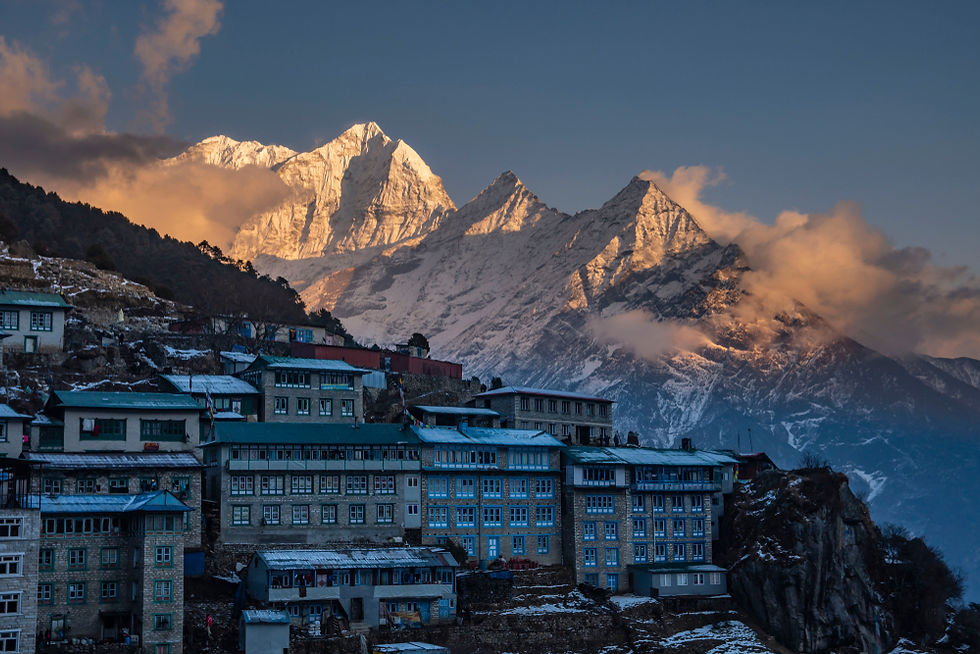
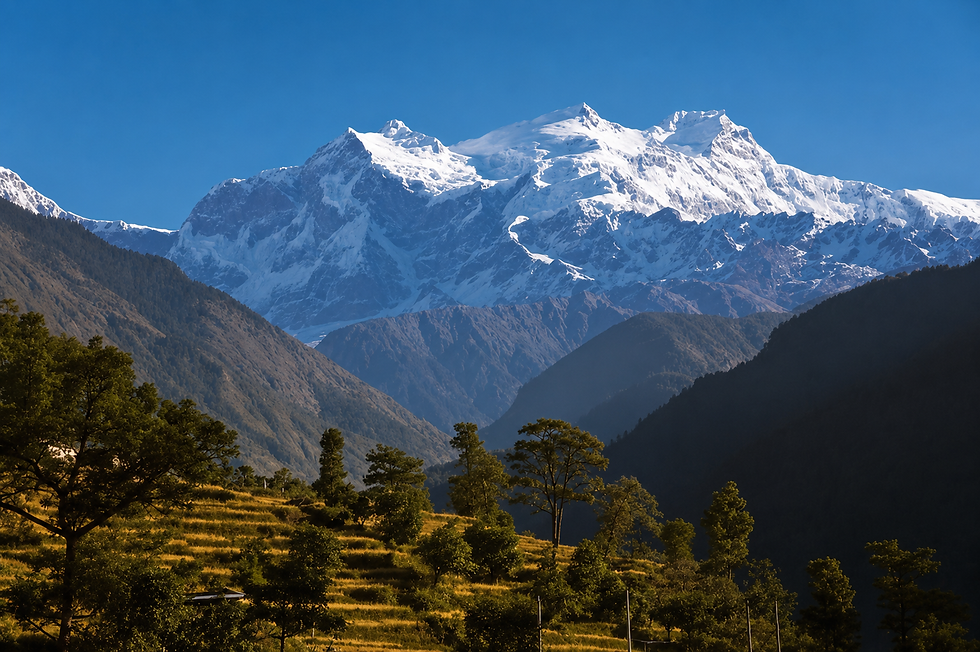
Mountain Vistas: Ganesh Himal (7,422m), Sringi Himal (7,187m), Himalchuli (7,893m), and Boudha Peak dominate the skyline. Early morning light paints peaks golden and pink, bring a camera with good zoom capabilities.
Cultural Scenes: Prayer wheels spinning as villagers circumambulate monasteries, colorful prayer flags strung across valleys, monks in maroon robes performing rituals, stone houses with intricately carved windows, women weaving traditional textiles.
Natural Beauty: Cascading waterfalls, suspension bridges over turquoise rivers, rhododendron forests ablaze with blooms (spring), terraced farmland clinging to steep hillsides, alpine meadows dotted with grazing yaks.
Monasteries and Spiritual Sites: Ancient frescoes inside gompas, butter lamps flickering in prayer halls, ornate stupas adorned with painted eyes of Buddha, rock carvings along trails, centuries-old mani walls stretching hundreds of meters.
Village Life: Children in traditional dress playing outside schools, farmers harvesting crops using traditional methods, evening gatherings around wood stoves in teahouses, locals spinning prayer wheels while chatting.
Wildlife Possibilities: Blue sheep on high ridges, Himalayan tahr, various pheasant species, golden eagles, and numerous small birds. The region is home to endangered species like snow leopards, though sightings are extremely rare.
Photography Tips:
Bring extra batteries (cold drains them quickly)
Memory cards with large capacity
Lightweight tripod for low-light monastery interiors
Always ask permission before photographing people
Best light is early morning and late afternoon
Protect equipment from dust and moisture
The photographic memories you'll create showcase not just landscapes but a way of life disappearing from much of the modern world.
Conclusion
The Tsum Valley Trek offers a rare blend of untouched Himalayan landscapes and deeply preserved Tibetan Buddhist culture. Away from crowded trails, it rewards trekkers with spiritual heritage, welcoming villages, and dramatic mountain scenery. Though it requires good fitness, proper acclimatization, and a guided approach, the experience is profoundly enriching. For 2026/2027, Tsum Valley remains one of Nepal’s most authentic treks, ideal for those seeking solitude, culture, and a truly meaningful Himalayan journey.
Comments