What to Expect: Daily Life on Mardi Himal & Annapurna Base Camp Treks
Key Takeaways
Early starts, steady walking, and afternoon arrivals help with weather and altitude adjustment
Tea houses are simple but safe, offering warm hospitality and a strong sense of community
Food, charging, and WiFi become more basic and expensive as altitude increases
Flexibility is essential - weather, comfort, and views can change daily on the trail
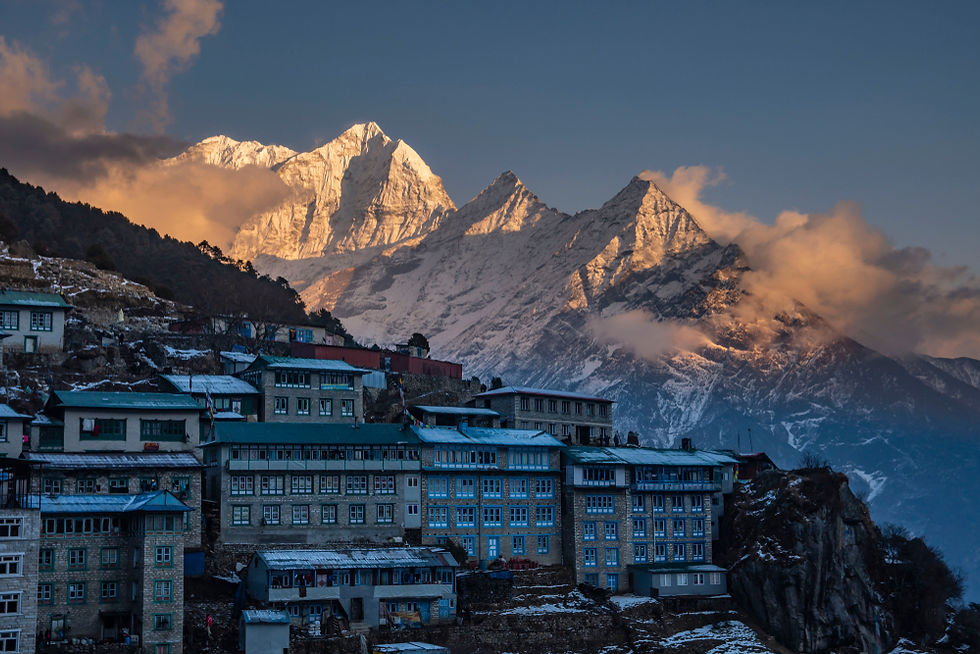
The alarm goes off at 6 AM, and you unzip your sleeping bag in a simple wooden room perched on a Himalayan hillside. Outside your window, the first rays of sunlight are painting Machhapuchhre's fish-tail summit in shades of gold and pink. This is trekking life in the Annapurna region, a beautiful blend of challenge, simplicity, and moments that take your breath away for reasons that have nothing to do with altitude.
The Daily Rhythm of Mountain Life
Your days on these treks settle into a rhythm that feels both demanding and deeply satisfying. Most trekking days involve 4-7 hours of walking, though this varies significantly based on your route and acclimatization needs. You'll typically wake around 6-7 AM, enjoy breakfast by 7:30, and hit the trail by 8 AM to make the most of clear morning skies.
The terrain transforms dramatically as you ascend. Lower sections wind through rhododendron and oak forests on stone staircases built by generations of local hands. Mid-altitude stretches open into terraced farmlands and alpine meadows where yaks graze beneath prayer flags. Higher up, the landscape becomes stark and magnificent, rocky trails, snowfields, and that thin air that makes every step a meditation.
Lunch stops happen around midday at a convenient tea house, then you push on to reach your overnight stop by 3-4 PM. This early arrival isn't laziness, it gives your body time to adjust to the altitude, allows you to explore the village, and lets you claim a spot by the dining hall stove before the evening chill sets in.
Home for the Night: Tea House Culture
Forget five-star luxury; tea houses are the beating heart of Himalayan hospitality. These family-run lodges offer simple twin rooms with thin mattresses, a pillow, and often spectacular views. In lower villages like Landruk or Sinuwa, you might find attached bathrooms and even hot showers. As you climb higher toward Mardi Himal High Camp or Annapurna Base Camp, facilities become more basic, squat toilets, shared bathrooms, and cold water are the norm.

But here's the magic: the communal dining hall. Every evening, trekkers from around the world gather around a central stove, sharing stories over steaming cups of lemon tea. The lodge family might join you, teaching you a few Nepali phrases or explaining why they've hung photographs of their children attending school in Pokhara. This warmth, both literal and figurative, is what makes the basic accommodations feel like home.
Hot showers cost extra (200-500 rupees depending on altitude), electricity for charging devices runs another 200-400 rupees, and at high altitudes, even these luxuries might not be available. Pack a good sleeping bag and portable battery pack.
Fueling the Journey: Mountain Cuisine
"Dal Bhat power, 24 hour!" This trekker's mantra refers to Nepal's national dish, lentil soup, rice, vegetables, and pickle, which provides sustained energy for long trekking days. Tea house menus are surprisingly diverse: momos (dumplings), Tibetan bread with jam, noodle soups, pasta, pizza, and even apple pie in some lodges.
Food quality and variety decrease with altitude. Lower villages offer elaborate menus, while High Camp might serve only basic rice and noodle dishes. Everything climbs the mountain on someone's back, so prices increase with elevation, expect to pay 500-800 rupees for a meal at base camp versus 300-400 rupees in lower villages.
Safe drinking water is crucial. Avoid bottled water (environmental nightmare) and instead purify tap water with tablets or UV devices, or order boiled water at tea houses. Vegetarians thrive here; vegans and those with allergies should communicate clearly and bring supplementary snacks.
Cultural Tapestry Along the Trail
These treks weave through Gurung and Magar villages where life follows rhythms unchanged for centuries. In Ghandruk, stone houses cluster around a central square where old women spin wool while children play. You'll pass Buddhist monasteries with massive prayer wheels and stupas draped in colorful flags carrying mantras into the wind.
The people you meet, porters carrying impossible loads, lodge owners stirring massive pots of dal, herders guiding yak trains, are the real treasures of these journeys. Learn a few Nepali words (Namaste, Dhanyabad for thank you), ask permission before photographing people, and consider supporting communities by purchasing locally made handicrafts.
If you're lucky, you might stumble upon a village festival or witness a family ceremony. These moments of cultural immersion, more than the mountain peaks, often become trekkers' most cherished memories.
Weather's Whims and Moods
Mountain weather is famously fickle. Mornings typically offer clear skies and the best mountain views, sunrise at Poon Hill or dawn at ABC are spiritual experiences. By afternoon, clouds often roll in, obscuring peaks and sometimes bringing rain or snow.
Temperatures vary dramatically with altitude. At 2,000 meters in Ghandruk, expect 15-20°C days and 5-10°C nights. At ABC (4,130m), daytime temperatures hover around 0-10°C, dropping to -10°C or lower at night. October-November and March-May offer the most stable conditions, though winter treks (December-February) provide crystal-clear views for those who can handle the cold.
Layer intelligently, pack rain gear regardless of season, and remember that weather changes rapidly at altitude. That sunny morning can become a snowy afternoon within hours.
Staying Connected (or Delightfully Disconnected)
Mobile networks (Ncell and NTC) provide surprising coverage along major routes, though signals weaken above 3,500 meters. Most tea houses offer WiFi for 200-500 rupees per day, though "high-speed" is relative, think enough for WhatsApp messages, not Netflix.
Many trekkers discover the joy of disconnection. Without constant notifications, you notice the sound of prayer flags snapping in the wind, actually taste your morning tea, and have real conversations with fellow travelers. Bring a good book, a journal, or simply practice being present.
Capturing the Majesty: Photography Tips
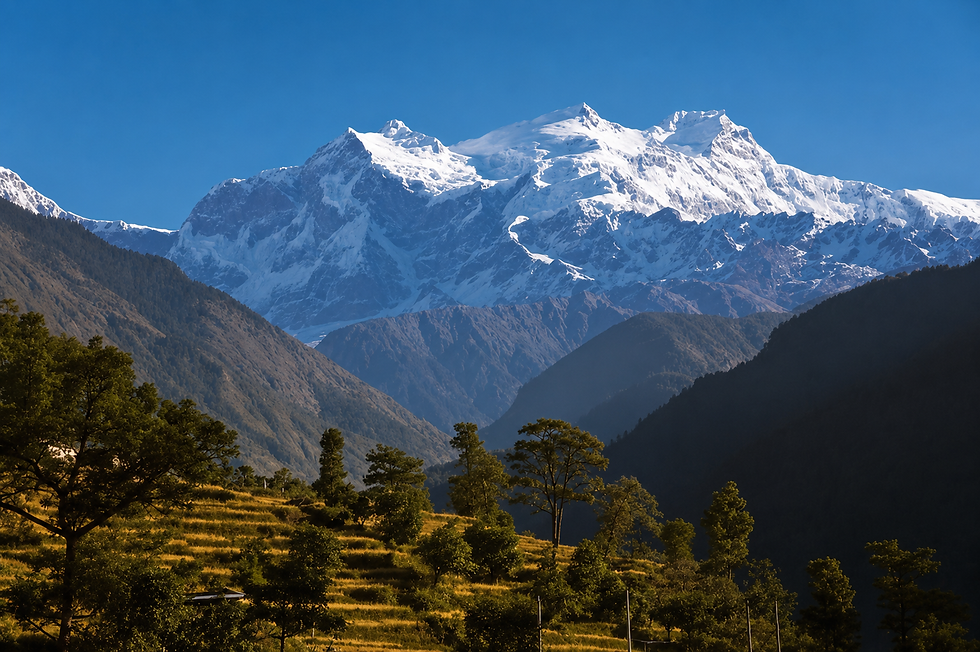
The Annapurna region is a photographer's paradise. Key viewpoints include Poon Hill for sunrise panoramas, the ridge above High Camp on Mardi Himal for Machhapuchhre close-ups, and obviously ABC itself for 360-degree Himalayan glory.
Shoot during golden hour, just after sunrise and before sunset, when peaks glow impossibly orange against deep blue skies. Bring extra batteries (cold drains them quickly), lens wipes for condensation, and a polarizing filter to manage snow glare. Wide-angle lenses capture epic landscapes; a telephoto brings distant peaks intimately close.
Always ask permission before photographing people, and consider offering to email them photos afterward.
Meeting the Challenges Head-On
Even prepared trekkers face difficulties. Altitude sickness lurks as your primary concern, ascend slowly, drink constantly, and descend immediately if symptoms worsen. The "climb high, sleep low" principle and rest days are your friends.
Physical fatigue is inevitable. Your legs will ache, your lungs will burn, and there will be moments when you question your life choices on a endless stone staircase. Break the journey into small goals, just to that next prayer flag, just to the tea house you can see ahead. Rest when needed without shame.
Toilet facilities range from decent Western toilets in lower villages to squat toilets with varying cleanliness standards. Carry toilet paper, hand sanitizer, and a headlamp for nighttime bathroom missions. Some trekkers bring a pee bottle to avoid midnight adventures in freezing temperatures.
The mental game matters most. Some days will be hard. Clouds might obscure views you've traveled halfway around the world to see. Your romantic vision of Himalayan trekking might clash with the reality of aching knees and basic accommodations. Embrace it all. The challenges make the triumphs sweeter, and every difficulty becomes a story you'll tell for years.
The Journey Becomes You
These treks transform people. You'll return home stronger, both physically and mentally. You'll have learned that you can walk further, climb higher, and endure more than you believed possible. You'll carry memories of kindness from strangers, sunrises that made you weep, and the profound silence of high mountains.
The Himalayas don't just tower above you, they invite you into a slower, simpler way of being. Accept that invitation fully, and these trails will give you far more than spectacular views. They'll give you yourself, rediscovered.
Frequently Asked Questions
What time do we wake up and sleep during the trek?
Most trekkers wake up around 6–7 AM and start walking by 8 AM. You’ll usually reach your tea house by 3–4 PM, eat dinner around 6–7 PM, and go to bed by 8–9 PM. Early days help avoid afternoon weather and allow proper rest at altitude.
Can I charge my phone or camera at tea houses?
Yes, but charging becomes less reliable at higher altitudes and usually costs 200–400 rupees per device. Lower villages have better electricity. Bring a power bank and extra batteries, and charge whenever you can.
Are tea houses clean and safe for solo female travelers?
Yes. Tea houses are generally clean, safe, and family-run. Rooms have locks, and the shared environment feels secure. Facilities are basic at higher elevations, so bring toilet paper, hand sanitizer, and a sleeping bag liner for comfort.
What if I can’t eat spicy food or have dietary restrictions?
Most meals can be made mild, and vegetarian food is widely available. Vegans and those with allergies should communicate clearly and may need to rely on simpler foods like rice, vegetables, and bread. Options become limited at higher altitudes.
How much cash should I carry per day?
Plan for 2,500–3,500 rupees per day, covering food, accommodation, snacks, hot showers, and charging. ATMs are only in Pokhara, so bring enough cash for the entire trek, plus 20–30% extra for emergencies.
Is WiFi good enough for video calls or uploads?
WiFi is available at many tea houses but is slow and unreliable, especially higher up. Messaging and light browsing usually work, but video calls and large uploads are difficult. Many trekkers save uploads for Pokhara.
What if the weather is bad at base camp?
Weather can change quickly in the mountains. If it’s cloudy or snowy, views may be limited. You can wait an extra day if your schedule allows, but clear views aren’t guaranteed. Enjoy the experience, every day in the mountains is different.
Can I do laundry during the trek?
Some lower-altitude tea houses offer laundry for 100–200 rupees per item, but drying takes time. Most trekkers don’t do laundry and wash clothes after the trek. Bring quick-dry clothing and enough underwear and socks.
Comments