Altitude Sickness on Manaslu: Symptoms, Diamox, and Acclimatization Guide
- rockykauffmanmarke
- Jul 9
- 7 min read
Walking through deep gorges, lush forests, and high alpine meadows is a dream for many trekkers. However, pushing your body above 5,000 meters comes with a serious challenge: altitude sickness.
Understanding altitude sickness on Manaslu is the most important part of your trek preparation. If you ignore the signs, a simple headache can turn into a life-threatening emergency. This guide breaks down everything you need to know about Manaslu circuit altitude sickness symptoms, the use of Diamox, and how to properly acclimatize for a safe and successful journey.
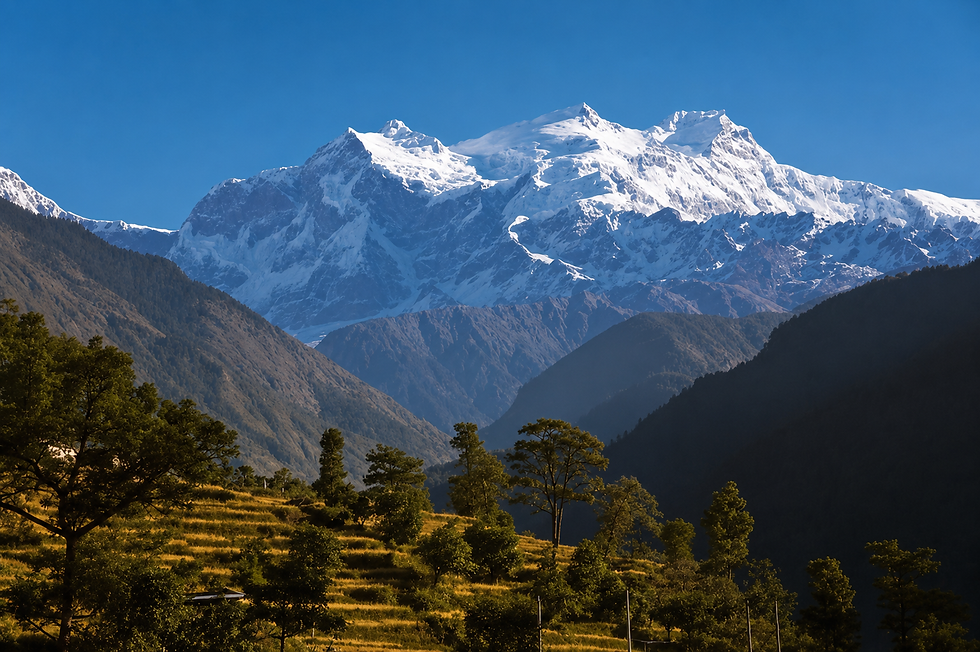
Understanding Altitude Sickness on the Manaslu Circuit
What is Acute Mountain Sickness (AMS)?
Acute Mountain Sickness, commonly known as AMS, happens when your body fails to adjust to the lower oxygen levels at high elevations. As you climb higher, the air pressure drops, and each breath gives you less oxygen. Your body needs time to adapt to this change. If you ascend too quickly, your body struggles to get the oxygen it needs, leading to AMS.
Why is Manaslu More Challenging?
Many trekkers wonder about the Manaslu Circuit trek difficulty compared to other popular routes. The highest point on the Manaslu trek is the Larkya La Pass, sitting at 5,106 meters (16,751 feet). While the altitude is similar to the Everest Base Camp trek, Manaslu is much more remote.
The trails are steeper in certain sections, and the rapid changes in elevation between some villages can catch trekkers off guard. Because it is a restricted and less crowded area, medical facilities are limited. This makes prevention and early recognition of symptoms absolutely vital.
Recognizing the Symptoms of Altitude Sickness
Catching altitude sickness early is the key to staying safe on the trail. Symptoms usually appear 6 to 12 hours after arriving at a new, higher altitude.
Mild to Moderate Symptoms
Most trekkers will experience some mild symptoms as they adjust to the thin air. These are your body’s warning signs. Common mild symptoms include:
A persistent, throbbing headache
Nausea or loss of appetite
Dizziness or lightheadedness
Fatigue and general weakness
Difficulty sleeping or waking up frequently at night
Shortness of breath during physical effort
If you feel these symptoms, do not ignore them. Stop climbing, rest, and drink plenty of water. If the symptoms do not improve after 24 hours, you must descend to a lower altitude.
Severe Symptoms: HAPE and HACE
If mild AMS is ignored, it can progress into two life-threatening conditions: High Altitude Pulmonary Edema (HAPE) and High Altitude Cerebral Edema (HACE). These require immediate emergency evacuation.
Condition | What Happens | Severe Symptoms to Watch For |
HAPE (Fluid in the lungs) | Fluid builds up in the lungs, making it hard to breathe. | Extreme shortness of breath at rest, persistent dry cough turning into a wet cough with pink/frothy sputum, chest tightness, blue lips or fingernails. |
HACE (Fluid in the brain) | Fluid builds up in the brain, causing swelling. | Severe headache that medicine cannot fix, confusion, loss of coordination (unable to walk in a straight line), extreme drowsiness, unconsciousness. |
Note: If you or a teammate show signs of HAPE or HACE, descend immediately. Do not wait for morning. Every minute counts.
The Role of Diamox in Preventing Manaslu Altitude Sickness
When researching how to prevent altitude sickness on Manaslu, the name "Diamox" will come up constantly. But what is it, and should you take it?
What is Diamox and How Does it Work?
Diamox is the brand name for Acetazolamide. It is a prescription medication that acts as a preventative treatment for AMS. It works by stimulating your breathing rate. By making you breathe faster and deeper, it helps increase the amount of oxygen in your blood, which speeds up the acclimatization process.
Should You Take Diamox for the Manaslu Trek?
Many experienced trekkers and guides recommend Diamox for the Manaslu Circuit, especially if you have a history of altitude sickness. However, it is not a magic pill. It only helps your body adjust faster; it does not make you immune to altitude sickness.
Standard Dosage and Usage:
The typical preventative dose is 125 mg taken twice a day.
Trekkers usually start taking it 24 hours before ascending to high altitudes and continue for the first 2 to 3 days at high elevation.
Always consult your doctor before taking Diamox. They will check for allergies and ensure it does not interact with your current medications.
Common Side Effects: Diamox is generally safe, but it does have side effects. The most common is a tingling sensation in your fingers, toes, and lips. It also acts as a mild diuretic, meaning you will urinate more frequently. Because of this, you must drink extra water to avoid dehydration. Some people also experience a metallic taste in their mouth or mild nausea.
Mastering Acclimatization on the Manaslu Trek
Acclimatization is the natural process of your body adapting to lower oxygen levels. You
cannot rush this process, but you can support it by following a smart trekking itinerary.
The Golden Rules of Acclimatization
Climb High, Sleep Low: This is the oldest and best rule in mountaineering. During your acclimatization rest days, hike up to a higher elevation for a few hours, then return to sleep at a lower altitude. This tricks your body into adapting to thinner air without the stress of sleeping there.
Take Rest Days: Do not skip acclimatization days to save time. Your body needs a full day of rest to adjust.
Limit Daily Elevation Gain: When trekking above 3,000 meters, try not to increase your sleeping altitude by more than 300 to 500 meters per day.
Choosing the Right Itinerary for Your Pace
A well-planned itinerary is crucial for avoiding AMS. You can choose a standard Manaslu Circuit trek that includes all the necessary rest days for safe acclimatization.
If you are short on time but highly fit, a faster Manaslu Circuit trek 13 days itinerary is available, though it requires excellent physical conditioning. For a more relaxed pace with extra time to adjust, the Manaslu and Annapurna Circuit trek 18 days is a fantastic choice. Adventurers looking for a cultural detour can also opt for the Manaslu Tsum Valley trek, which adds unique acclimatization stops in a sacred Himalayan valley.
Key Acclimatization Days in the Itinerary
No matter which package you choose, ensure it includes specific rest days.
Samagaun (3,520m): This is the most important acclimatization day on the trek. You will spend a full day here. Use this day to hike up to the Birendra Lake (4,500m) or the Manaslu Base Camp viewpoint, then return to Samagaun to sleep.
Dharamsala / Larkya La Phedi (4,460m): While not a full rest day, the night before crossing the pass is crucial. Keep your hike light, eat a simple dinner, and hydrate well to prepare for the 5,106m pass the next morning.
Pro Tips to Prevent Altitude Sickness on Manaslu
Medication and acclimatization days are great, but your daily habits on the trail play a massive role in preventing AMS. Follow these practical tips to keep your body strong and healthy.
Hydrate and Eat Smart
Hydrate Constantly: Dehydration mimics altitude sickness and makes it worse. Drink at least 3 to 4 liters of water every day. Drink water even if you do not feel thirsty. Warm water with lemon is easier on the stomach.
Eat a High-Carbohydrate Diet: Your body needs more energy at high altitudes. Eat plenty of rice, pasta, potatoes, and bread. Avoid heavy, greasy, or meat-heavy meals, as they are hard to digest and take energy away from acclimatization.
Pace Yourself and Avoid Harmful Habits
Walk Slowly: Leave your ego at home. The "bistari, bistari" (slowly, slowly) pace is the local mantra. Walk at a pace where you can hold a conversation without gasping for air.
Avoid Alcohol and Smoking: Alcohol depresses your breathing rate, especially while you sleep, which reduces the oxygen in your blood. It also dehydrates you. Avoid alcohol completely above 3,000 meters. Smoking restricts your lung capacity, making it harder to get oxygen.
Plan for the Best Season and Budget
Timing your trip right makes acclimatization much easier. The Manaslu Circuit trek in autumn offers the most stable weather and clear skies. Specifically, the Manaslu Circuit trek in September is a fantastic early-autumn choice, offering lush landscapes right after the monsoon with manageable temperatures.
When preparing for your trip, always review the Manaslu Circuit trek cost in advance. Ensuring your budget covers high-quality gear, proper permits, and comprehensive emergency helicopter evacuation insurance is just as important as your physical training.
Listen to Your Body
This is the most important tip. If you have a headache, tell your guide. If you feel nauseous, stop and rest. Never push through severe symptoms. Your goal is to reach the pass safely, not to set a speed record.
Conclusion
Altitude sickness on Manaslu is a real risk, but it is highly preventable with the right knowledge and preparation. By understanding the Manaslu circuit altitude sickness symptoms, you can catch problems before they become dangerous. Using Diamox under a doctor's guidance can give your body a helpful boost, but proper acclimatization and smart daily habits are your best defenses.
Respect the mountains, listen to your body, and walk at your own pace. With careful planning and a mindful approach, you can safely cross the Larkya La Pass and enjoy the incredible, remote beauty of the Manaslu Circuit.
Frequently Asked Questions (FAQs)
Can I take Diamox without a prescription?
No, you should never take Diamox without consulting a doctor first. It is a prescription medication that can interact with other drugs and is not suitable for people with certain medical conditions, such as severe kidney or liver disease.
What is the highest point on the Manaslu Circuit?
The highest point on the trek is the Larkya La Pass, which sits at an elevation of 5,106 meters (16,751 feet). You will cross this pass on day 12 or 13 of a standard itinerary.
How many acclimatization days do I need for Manaslu?
A standard and safe Manaslu Circuit itinerary includes at least one full acclimatization day in Samagaun (3,520m). Some longer itineraries may add a second short rest day depending on the trekker's pace and experience.
Is Manaslu harder than Everest Base Camp for altitude sickness?
The risk of altitude sickness is similar on both treks, as both reach points above 5,000 meters. However, Manaslu is more remote, meaning emergency helicopter evacuations can take slightly longer to organize compared to the well-established Everest region.
What should I do if I get altitude sickness on the trail?
If you experience mild symptoms, stop ascending, rest, and drink plenty of water. If symptoms do not improve after 24 hours, descend immediately. If you experience severe symptoms like confusion or extreme breathlessness, descend immediately and contact your guide for an emergency helicopter evacuation.
Does garlic soup help with altitude sickness?
Garlic soup is a popular teahouse meal on the Manaslu trail. While garlic is believed to help improve blood circulation and may slightly aid in acclimatization, it is not a medical cure for altitude sickness. It is a healthy, warm, and comforting meal, but it should not replace proper acclimatization practices or medication.
How much water should I drink daily to prevent AMS?
You should aim to drink at least 3 to 4 liters of water per day while trekking above 3,000 meters. If you are taking Diamox, you may need to drink even more, as the medication increases urination and the risk of dehydration.

Comments