Do You Need a Guide for Manaslu? Mandatory Rules and Trekking Regulations
- rockykauffmanmarke
- Jul 9
- 7 min read
The Manaslu Circuit is widely considered one of the most beautiful and rewarding trekking routes in Nepal. It offers pristine nature, rich Buddhist culture, and breathtaking views of the world’s eighth-highest peak. However, before you pack your bags, you need to understand the local trekking laws. The most common question from first-time trekkers is: Do you need a guide for Manaslu?
The short answer is yes. Trekking in the Manaslu region without a guide is strictly prohibited by the Nepal government. Unlike some other popular trails, this region is classified as a Restricted Area. This means special rules apply to protect the local environment, preserve the culture, and ensure trekker safety.
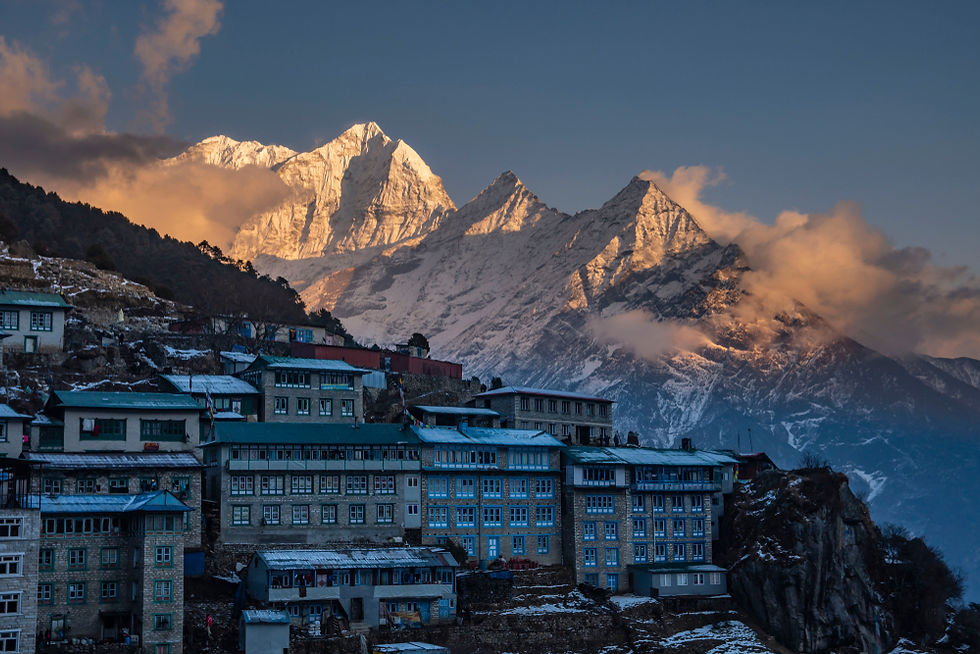
This comprehensive guide explains the mandatory guide rules for Manaslu, why these regulations exist, the permit requirements, and how hiring a licensed guide actually makes your trek much better.
The Mandatory Guide Rule for Manaslu
Why is a Guide Required?
The Manaslu region borders Tibet (China), which makes it a highly sensitive border area. Because of this, the Nepalese government declared it a Restricted Area. To trek here, you cannot just show up and start walking. You must follow strict regulations designed to monitor who is in the region and ensure everyone's safety.
The mandatory guide rule was put in place for several key reasons:
Safety: The trails are remote, and the risk of altitude sickness or sudden weather changes is high. A guide ensures you are safe and knows how to handle emergencies.
Environmental Protection: Guides ensure trekkers follow "Leave No Trace" principles, protecting the fragile Himalayan ecosystem.
Cultural Preservation: The region is home to unique Tibetan Buddhist cultures. Guides help trekkers respect local customs and traditions.
Permit Control: The government uses the guide requirement to control the number of trekkers entering the restricted zone.
Can I Trek Solo in Manaslu?
No, you cannot trek solo in Manaslu. The rules state that you must be part of a group of at least two foreign trekkers, and you must hire a licensed guide through a registered Nepalese trekking agency.
In the past, some trekkers tried to use "freelance" guides to save money. However, recent updates to the Trekker’s Information Management System (TIMS) have closed this loophole. As of the latest regulations leading into 2026, freelance guides are no longer allowed to issue TIMS cards or lead treks in restricted areas. You must book your guide through a government-registered agency.
Permit Requirements and the Role of Your Guide
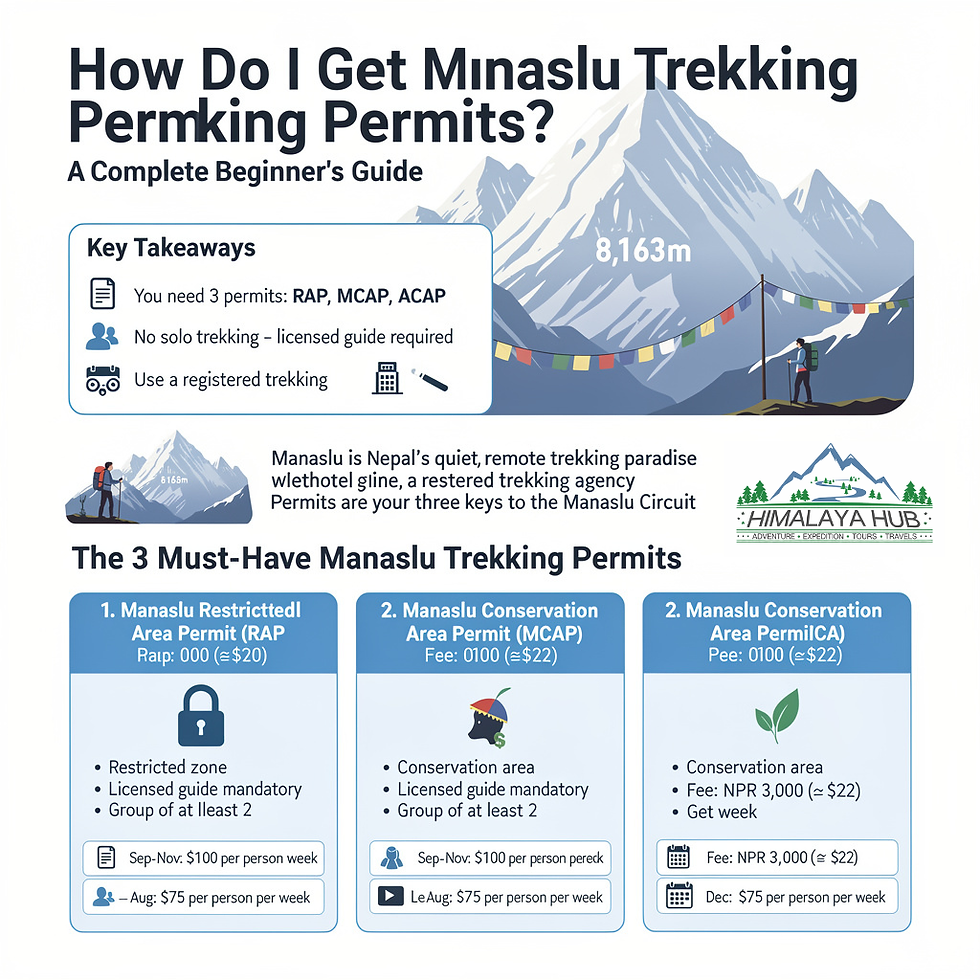
Your guide and their agency are not just there to walk with you; they are legally required to process your permits. You cannot buy Manaslu permits independently.
Here is a breakdown of the permits you need and how your guide handles them:
Permit Type | Purpose | Cost (Approx.) | Guide/Agency Role |
Manaslu Restricted Area Permit (RAP) | Allows entry into the restricted border zone. | $100 - $150 (Varies by season and days) | The agency applies for this on your behalf using your passport and passport photos. |
MCAP (Manaslu Conservation Area Permit) | Funds conservation efforts in the Manaslu region. | $30 (SAARC) / $45 (Other) | The agency includes this in your overall permit package. |
ACAP (Annapurna Conservation Area Permit) | Required if your trek ends in the Annapurna region. | $30 (SAARC) / $45 (Other) | The agency processes this if your itinerary crosses into the Annapurna zone. |
TIMS Card | Tracks trekker data for safety and emergency rescue. | $20 (With agency guide) | The agency issues this card, which you must carry at all times. |
When you are planning your budget, always review the complete Manaslu Circuit trek cost to ensure you have enough funds to cover these permits, your guide’s salary, and their insurance.
Benefits of Hiring a Licensed Guide
While the guide rule is mandatory, having a good guide is also one of the biggest advantages of this trek. The Manaslu trail is not just a walk in the park; it is a serious Himalayan expedition.
Navigation and Trail Safety
The Manaslu Circuit trek difficulty is considered strenuous, mainly due to the high altitude and the crossing of the Larkya La Pass (5,106m). A licensed guide knows the trail intimately. They know which sections are prone to landslides, where the safest places to rest are, and how to read the weather. If a sudden snowstorm hits the pass, your guide will make the critical decision on whether to push forward or turn back, potentially saving your life.
Managing Your Itinerary and Pace
A good guide manages the daily walking pace to ensure proper acclimatization. Whether you are on a fast-paced Manaslu Circuit trek 13 days or a more relaxed Manaslu and Annapurna Circuit trek 18 days, the guide will monitor your health. They will encourage you to drink water, walk at a steady rhythm, and recognize the early signs of Acute Mountain Sickness (AMS).
Cultural Connection and Language
The Manaslu region is deeply rooted in Tibetan Buddhist culture. This is especially true if you add the Manaslu Tsum Valley trek to your itinerary. The Tsum Valley is a sacred Himalayan pilgrimage site. A local guide speaks the native language and understands the customs. They will translate conversations with the locals, explain the significance of the monasteries (gompas), and ensure you do not accidentally offend the local residents by breaking cultural taboos.
Timing Your Trip Perfectly
The weather dictates everything in the Himalayas. A guide will help you plan your trip for the best possible conditions. For instance, they will highly recommend the Manaslu Circuit trek in autumn for the clearest mountain views. If you are looking at early autumn, they can advise you on the specific benefits of the Manaslu Circuit trek in September, such as the lush green trails and stable temperatures after the monsoon.
How to Choose the Right Guide and Agency
Since you are required to hire a guide, you need to make sure you choose the right one. A bad guide can ruin your experience, while a great one will make it unforgettable.
Look for Government Licensing
Always ensure your guide holds a valid license from the Nepal Government. You can ask the agency to show you the guide's ID card and license. Licensed guides have undergone rigorous training in first aid, altitude sickness recognition, and emergency rescue protocols.
Check the Agency’s Reputation
Do not just book with the cheapest agency you find online. Read reviews, ask for recommendations, and check if the agency is registered with the Trekking Agencies' Association of Nepal (TAAN). A reputable agency will provide a well-trained guide, proper insurance for their staff, and clear communication before you even arrive in Nepal.
Meet Your Guide Before the Trek
If possible, arrange a brief meeting or a video call with your guide before the trek starts. This helps you gauge their English proficiency, their personality, and their knowledge of the trail. You will be spending 10 to 18 days with this person, so a good personal fit is important.
Factoring Guide Costs into Your Trekking Budget
Many trekkers worry about the extra cost of hiring a guide. However, when you look at the overall expenses, the guide fee is a small price to pay for the safety, convenience, and peace of mind they provide.
Typically, you will pay a daily wage for your guide (usually between $25 to $35 per day), plus you are responsible for their food and accommodation on the trail. Some agencies include the guide's costs in a comprehensive package, while others charge it separately. Always clarify this before signing any contracts. Remember, your guide is a local professional who relies on this income. Paying them fairly ensures they provide the best possible service.
Conclusion
So, do you need a guide for Manaslu? Absolutely. The mandatory guide rule is not just a bureaucratic hurdle; it is a vital safety measure for one of Nepal's most remote and challenging treks. Trekking solo in this restricted border region is illegal and highly dangerous.
By hiring a licensed guide through a registered agency, you are not only following the law, but you are also investing in your own safety, enriching your cultural experience, and supporting the local economy. Respect the rules, choose a reputable agency, and let your guide lead you safely through the breathtaking landscapes of the Manaslu Circuit.
Frequently Asked Questions (FAQs)
Can I trek the Manaslu Circuit without a guide?
No, it is strictly illegal to trek the Manaslu Circuit without a licensed guide. The region is a Restricted Area, and the Nepal government mandates that all foreign trekkers must be accompanied by a registered guide.
Can I hire a freelance guide for the Manaslu trek?
No. Recent updates to the trekking regulations require all guides to be employed by a government-registered trekking agency. Freelance guides can no longer legally issue the required TIMS cards or lead treks in restricted areas like Manaslu.
How much does a guide cost for the Manaslu trek?
The daily wage for a licensed guide typically ranges from $25 to $35 USD. In addition to their daily wage, you must also cover their food and accommodation on the trail. Many trekkers opt for an all-inclusive package through an agency to simplify this.
Do I need a guide if I am an experienced mountaineer?
Yes. The mandatory guide rule applies to everyone, regardless of your trekking or mountaineering experience. The law makes no exceptions for the Manaslu Restricted Area.
What happens if I get caught trekking without a guide?
If you are caught trekking without a guide or the proper permits, you will be fined heavily, turned back, and potentially banned from trekking in Nepal in the future. Checkpoints are common on the Manaslu trail, and local officials strictly enforce the rules.
Does my guide speak English?
Most licensed guides in Nepal speak conversational to fluent English. However, the level of fluency can vary. If language is a priority for you, ask the agency to assign a guide who specializes in communication and has excellent English skills.
Is the guide trained in first aid?
Yes, all government-licensed guides are required to undergo basic first aid and high-altitude rescue training. They carry basic medical kits and know how to recognize and respond to altitude sickness and other trail emergencies.
Can my guide carry my backpack?
A guide’s primary job is to lead the group, navigate the trail, and ensure your safety. While they can help you in an emergency, they are not porters. If you need someone to carry your main backpack, you will need to hire a separate porter.
Comments